
Written by
Lalit Matai, Pharmacist Prescriber (GPhC 2086556), Clinical Director, MediGlow Aesthetics & Health, The Glen Clinic, Thornliebank, Glasgow G46 8NG.
As energy-based aesthetic treatments continue to evolve, patients are increasingly asking an important question:
‘What is the difference between IPL and laser, and which treatment is safest for my skin type?’
For patients with South Asian, Afro-Caribbean, African, Middle Eastern, and other melanin-rich skin types, this question is particularly important. The wrong technology, incorrect settings, or poor patient selection can increase the risk of complications such as burns, blistering, post-inflammatory hyperpigmentation, and uneven skin tone.
At MediGlow Aesthetics & Health in Glasgow, we use the FDA-cleared Cutera XEO+ platform. This advanced system combines Limelight IPL technology, 1064nm Nd:YAG laser technology, and Laser Genesis skin rejuvenation, allowing treatments to be tailored to the unique characteristics of each patient’s skin.
Understanding the science behind these technologies helps patients make informed decisions about their treatment options.
Figure 1. Laser Genesis improvement in facial redness and skin texture. Photo courtesy of Cutera, Inc.
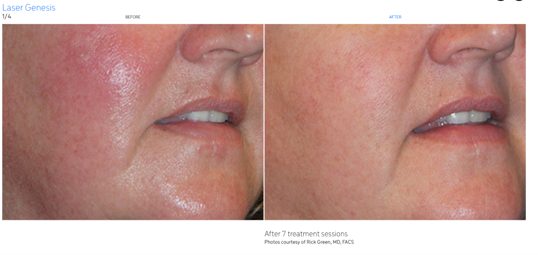
Figure 2. Laser Genesis improvement in acne-related redness. Photo courtesy of Cutera, Inc.
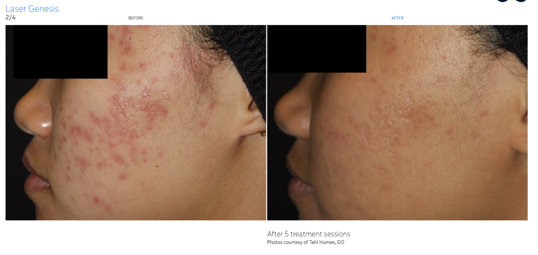
Figure 3. Laser Genesis improvement in neck skin quality. Photo courtesy of Cutera, Inc.
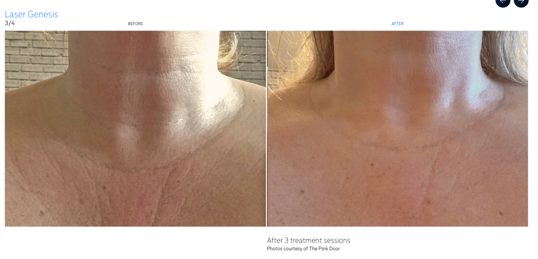
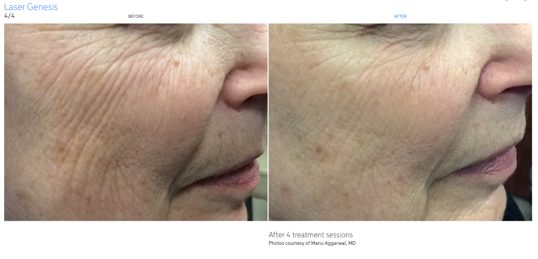
Figure 4. Laser Genesis improvement in fine lines and wrinkles. Photo courtesy of Cutera, Inc.
What Is IPL?
IPL (Intense Pulsed Light) uses multiple wavelengths of light rather than a single laser wavelength. It is commonly used to treat pigmentation, redness, vascular lesions and sun damage. IPL can produce excellent results in carefully selected patients, particularly lighter skin types. However, because IPL energy can also be absorbed by epidermal melanin, darker skin types require careful assessment and parameter selection.
What Is Nd:YAG Laser?
Nd:YAG laser operates at a wavelength of 1064nm. This longer wavelength penetrates deeper into the skin and is less readily absorbed by superficial epidermal melanin. As a result, it is widely recognised as one of the safest laser technologies for Fitzpatrick skin types IV, V and VI. The technology is frequently used for hair reduction, vascular concerns, skin rejuvenation and collagen stimulation.
Why Nd:YAG Is Often Safer for South Asian & Afro-Caribbean Skin
Melanin absorbs light energy. Shorter wavelengths interact more strongly with epidermal pigment, increasing the risk of thermal injury. The 1064nm wavelength penetrates deeper while minimising excessive epidermal absorption. This reduces the likelihood of pigmentation complications and makes Nd:YAG technology a preferred choice for many patients with darker skin tones.
The Cutera XEO+ Advantage
The Cutera XEO+ allows clinicians to select the most appropriate technology for each indication. Rather than using a one-size-fits-all approach, treatment settings can be customised according to skin type, ethnicity, medical history and treatment goals. This flexibility is one of the reasons why medical-grade platforms remain the gold standard in aesthetic medicine.
Laser Genesis: The Signature Treatment
Laser Genesis is one of the most popular treatments performed on the Cutera XEO+ platform. The treatment gently heats the dermis using Nd:YAG micro-pulses. This controlled thermal stimulation promotes collagen remodelling, supports elastin production and improves overall skin quality. Common treatment indications include redness, rosacea, enlarged pores, fine lines, acne scarring and general skin rejuvenation.
Clinical Evidence
Multiple published studies have demonstrated improvements in skin texture, fine lines, erythema and overall skin appearance following 1064nm laser treatments. Research has shown increased dermal remodelling and improvements in collagen architecture, supporting the use of near-infrared laser technologies for skin rejuvenation.
Why Choosing a Medical Professional Matters for Laser Treatment
Technology alone does not determine outcomes. Appropriate patient assessment, skin typing, treatment planning and aftercare all influence results. Patients should seek treatment from qualified healthcare professionals with experience in treating skin of colour and managing potential complications.
Frequently Asked Questions
Q: Is Nd:YAG safer than IPL for darker skin?
A: In many cases yes, because 1064nm Nd:YAG is less absorbed by epidermal melanin.
Q: Can South Asian skin have Laser Genesis?
A: Yes. Laser Genesis is commonly used on South Asian skin when appropriate settings are selected.
Q: How many sessions are recommended?
A: Most patients benefit from a course of 4–6 treatments, although this varies.
Q: Is there downtime?
A: Most patients experience little to no downtime.
Q: Is the Cutera XEO+ FDA-cleared?
A: Yes, the platform is FDA-cleared for multiple aesthetic indications.
References
Tanaka Y et al. Objective Assessment of Skin Rejuvenation Using Near-Infrared Irradiation. Aesthetic Plastic Surgery. 2011.
Journal of Cosmetic and Laser Therapy. Comparison Between Nd:YAG Laser and Intense Pulsed Light for Darker Skin Types. 2017.
Mahmoud EEA et al. Efficacy and Safety of 1064nm Nd:YAG Laser in Fitzpatrick IV–VI Skin Types. Lasers in Medical Science. 2025.
Cutera XEO+ Clinical Information and Laser Genesis Clinical Results Library.
Review: Noninvasive Cosmetic Treatments for Fitzpatrick IV–VI Skin Types.
Image Attribution & Disclaimer
Clinical images reproduced from official Cutera educational and marketing materials. All image rights remain the property of Cutera, Inc. Results shown are intended to demonstrate potential treatment outcomes. Individual results vary.